
[Updated: May 22, 2026 | Published: May 8, 2026]
 Most older adults notice small memory lapses from time to time: a forgotten name, walking into a room and losing your train of thought, or setting something down and having no idea where you left it.
These moments are often a normal part of aging. But they can feel unsettling, especially if dementia has touched someone close to you.
Many older adults quietly wonder the same thing: Should I be worried about my memory?
The encouraging news: a growing body of evidence suggests that nearly half of dementia cases worldwide may be prevented or delayed through lifestyle and health habits. That estimate has increased over the past several years as researchers have identified more modifiable risk factors.
We now know that habits people build in their 60s and 70s affect how the brain ages. Several dementia risk factors, including social isolation, vision loss, and physical inactivity, become especially important later in life. That means many older adults have time to prevent cognitive decline.
Recent brain imaging studies suggest that people with healthier lifestyle habits often show signs of slower memory decline than their peers. One 2025 study found that healthy lifestyle habits were associated with cognitive performance similar to that of adults up to eight years younger.
Cognitive Decline Is Not Inevitable
In 2024, the Lancet Commission on Dementia Prevention published its most thorough report to date. The central finding: approximately 45% of all dementia cases worldwide could be prevented or delayed by addressing risk factors that are within your control.
A Yale School of Public Health study tracked adults 65 and older for more than 12 years. It found that nearly half showed measurable improvement in cognitive or physical function over that period.
Cognitive decline is not the fixed downward slope most people fear. That changes the conversation.
Movement Makes the Brain Measurably Younger
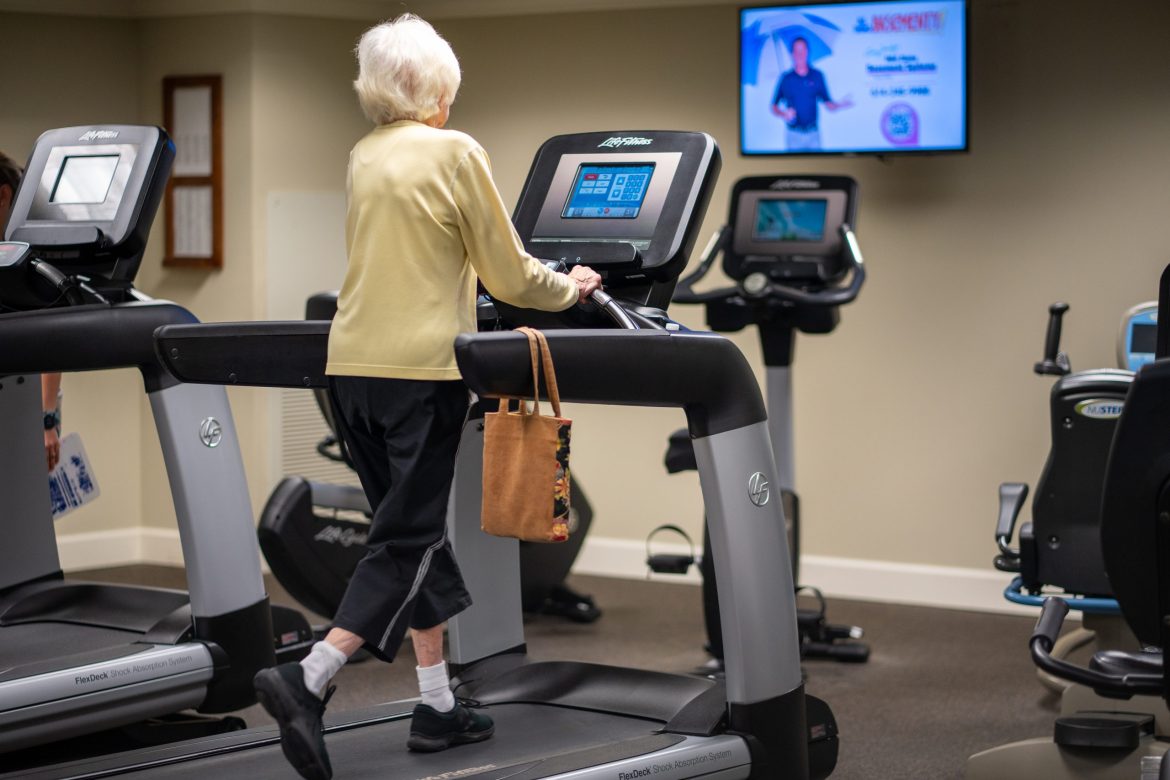
Exercise is one of the few interventions researchers consistently see reflected in brain health over time.
In the U.S. POINTER study, more than 2,100 sedentary adults between 60 and 79 followed a structured exercise program. Participants later scored as well on cognitive tests as people one to two years younger, suggesting that even a late start can make a meaningful difference.
Think of the neighbor who starts walking every morning after retiring because it has become the best part of her day. Research suggests her brain may be changing too, whether she realizes it or not.
Consistency matters more than a specific activity. Aim for 150 minutes of moderate aerobic activity per week, brisk walking, swimming, cycling, plus strength training twice a week.
One Serving of Greens a Day Improves Brain Health
 Rush University researchers examined brain tissue from 581 older adults and found that people who ate the most leafy greens had far less Alzheimer’s-type pathology. The difference came from one serving of spinach, kale, collards, or arugula per day.
The MIND diet, developed at Rush University and Harvard, builds on that finding. It favors leafy greens, berries, beans, whole grains, olive oil, and fish while limiting red meat, butter, and fried food.
For people concerned about family history, a Harvard study published in Nature Medicine found that the Mediterranean diet offset genetic risk. People carrying the gene most associated with Alzheimer’s who followed the diet declined more slowly than lower-risk people who did not.
Your family history is part of your story. You have time to rewrite the ending.
Where You Live Affects How Your Brain Ages
University of Michigan researchers found that older adults with ready access to museums, libraries, cultural centers, and university campuses showed a cognitive-age advantage of five years compared to those without such access.
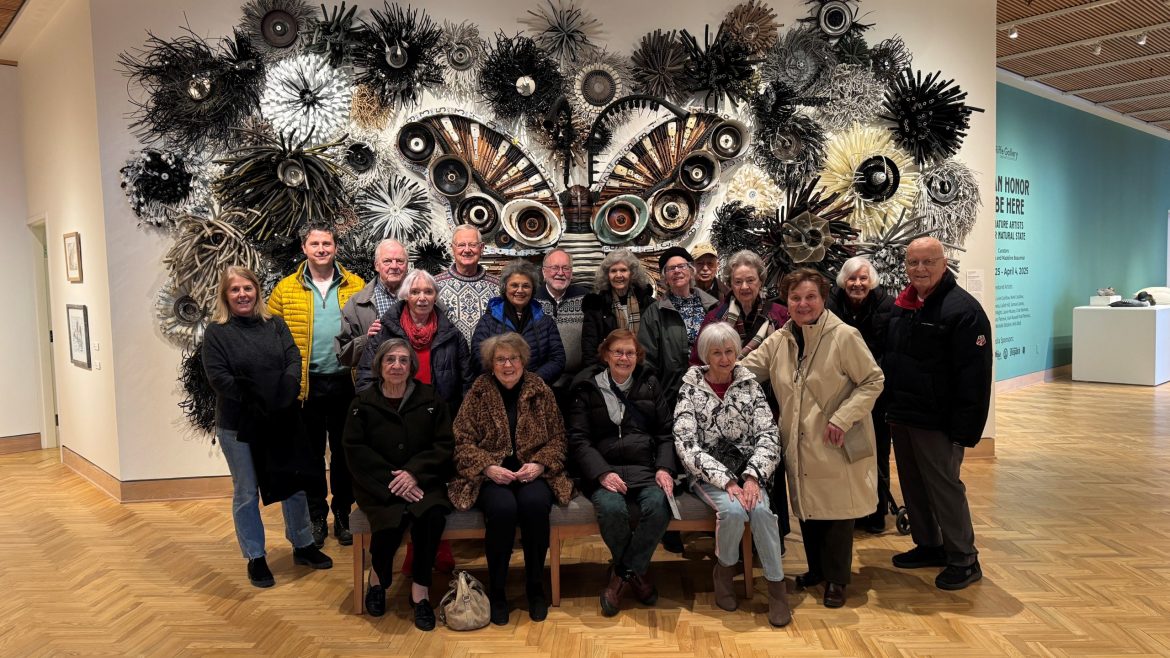
Researchers increasingly believe the benefit comes less from any single activity and more from what these environments encourage: movement, social connection, mental stimulation, time outdoors, and a sense of purpose. For some people, that may look like volunteering or joining a faith community. For others, it may mean walking trails, attending local events, joining a club, or even using technology to stay connected when distance makes in-person activities harder.
Enriching environments are not limited to cities or college towns. Faith communities, local clubs, nature preserves, walking trails, community gardens, and volunteer organizations offer the same core ingredients the research points to: social connection, mental stimulation, and purposeful activity.
And, for older adults in rural communities, technology has also become a genuine bridge. Virtual museum tours, online classes, and video calls with friends and family can provide meaningful cognitive engagement when in-person options are limited.
The specific venue matters less than what it provides. Look for places and activities that combine social interaction with mental or physical engagement. Those two elements together, wherever you find them, are what the research consistently identifies as protective.
Why Daily Conditions Matter More Than Isolated Efforts
None of the habits described in this article is complicated. But benefits do require consistent effort.
Healthy habits last when they fit naturally into daily life. That is one reason researchers find that a person’s environment predicts outcomes. When walking to dinner means passing a neighbor, when the lecture series is across the courtyard, and when the fitness class is built into Tuesday morning rather than requiring a separate trip, healthy habits become easier to repeat.
How long does it take for a new behavior to become automatic? Research from University College London, led by health psychology researcher Phillippa Lally, found that it takes an average of 66 days of consistent repetition for a behavior to feel like a habit. The encouraging part: some habits form in as few as 18 days, depending on the person and the behavior. A daily walk or an extra serving of greens may take hold faster than you expect.
Residents at Friendship Village of Dublin often find that the habits they have been meaning to build become much easier to maintain when exercise classes, social opportunities, and healthy dining are already woven into daily life. On our 29-acre campus, brain-healthy dining, cultural programming, fitness classes, and social opportunities are part of The Village Way, our approach to whole-person wellness.
Social Connection Protects the Brain
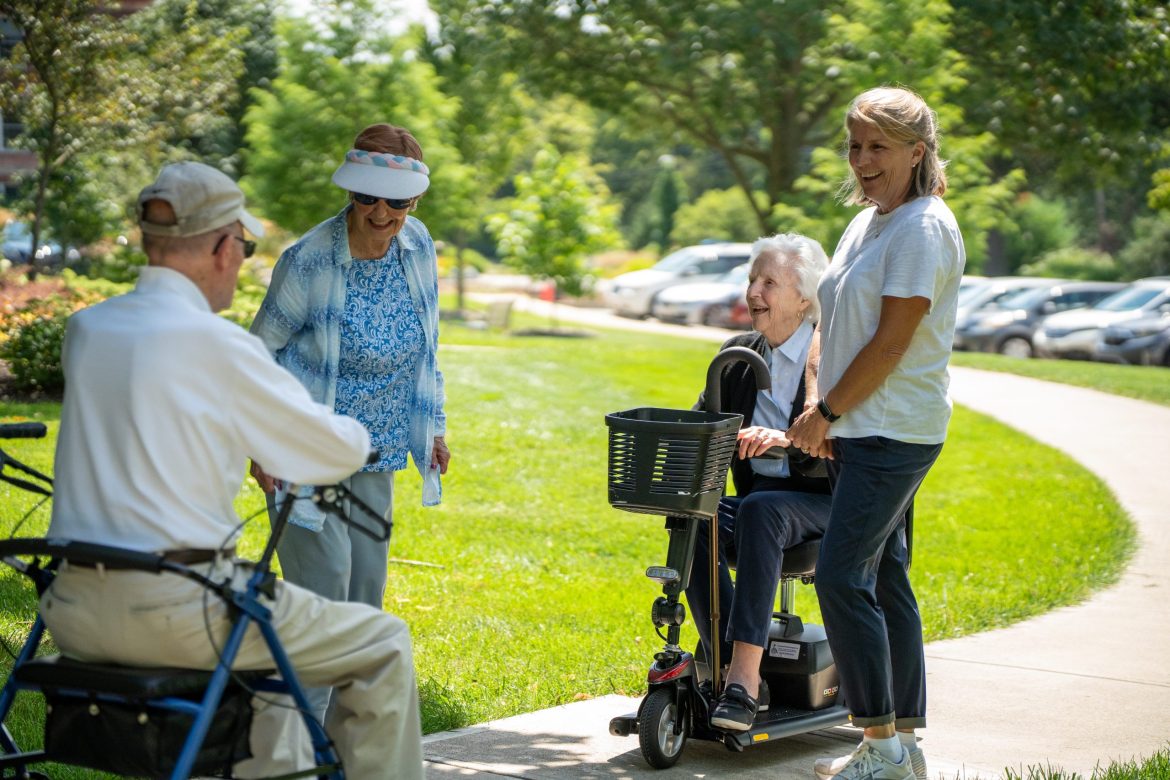
Isolation affects far more than emotional health. Long-term studies continue to show that social engagement is one of the most powerful protections against cognitive decline.
A Lancet Healthy Longevity study that analyzed 40,000 adults across 13 countries identified two of the strongest protective factors:
- Living with at least one other person
- Participating in community activities weekly
Together, these factors were more protective than having close friendships alone.
A separate study in Innovation in Aging found that volunteering led to greater and longer-lasting cognitive preservation than any other form of social participation. The strongest benefits appeared among people who felt useful and connected to something beyond themselves.
Sleep Is Maintenance Time for the Brain
 While you sleep, your brain clears the waste proteins that accumulate in Alzheimer’s disease, consolidates memories, and restores cognitive function.
Averaging fewer than six hours of sleep per night is an independent risk factor for cognitive decline. Most adults need seven to nine hours. Exercise, social connection, and stress reduction all improve sleep quality, making this one habit that supports everything else on the list.
The Hearing Loss Connection Most People Miss
 Untreated hearing loss accounts for about 7% of the risk of dementia. That is more than physical inactivity or smoking, making it one of the largest modifiable risk factors on the Lancet Commission’s list. It is also one of the most overlooked.
The ACHIEVE trial of 977 older adults found that treating hearing loss with hearing aids slowed cognitive decline by 48% over three years among high-risk participants. Many people delay the hearing test for years. One of the clearest findings in recent dementia research is that this delay carries a real cost.
If you have been putting off addressing health concerns, a hearing test is a good place to start.
Choose a Place to Start

The goal isn’t perfect aging. It’s giving your brain the best possible conditions to remain resilient as long as possible.
You do not have to overhaul everything at once.
If the hearing test has been on the list, this is the moment to schedule it. The evidence about hearing health is stronger than most people realize. After that: a daily walk, more greens, a call to a friend. Signing up for a class you have been meaning to try. Enough sleep for your brain to do its nightly work.
None of these habits is dramatic on its own. Over time, research suggests they can add up to meaningful improvements in memory and cognitive function. You might simply call it feeling more like yourself.
To learn how Friendship Village of Dublin supports lifelong brain health through community, movement, and daily engagement, schedule a personal visit or call 614-734-2105 to speak with a member of our team.
Frequently Asked Questions About Cognitive Decline
The following questions often come up for families researching brain health and memory care. These answers are drawn from the research covered above and are intended as a quick reference. This article is for educational purposes and should not replace guidance from your physician or healthcare provider.
What are the early signs of cognitive decline?
Occasional forgetfulness is a normal part of aging. More concerning signs include difficulty following conversations, repeated confusion, trouble managing familiar tasks, or growing reliance on reminders for daily activities. Persistent changes should be discussed with a healthcare professional. Some adults also choose to complete a baseline cognitive assessment with their physician for future comparison.
Can cognitive decline be prevented?
Evidence increasingly points to yes, at least in part. The 2024 Lancet Commission identified 14 modifiable risk factors, including physical inactivity, social isolation, untreated hearing loss, and poor diet, that together account for nearly half of all dementia cases worldwide. No strategy guarantees prevention, but daily habits play a meaningful role.
What habits most protect brain health after 60?
The strongest evidence points to consistent aerobic exercise, a plant-forward diet with leafy greens and healthy fats, ongoing mental stimulation, strong social connections, adequate sleep, and treatment of any hearing loss. Long-term studies continue to show that results are strongest when several habits are combined rather than pursued one at a time.
How does hearing loss affect dementia risk?
Untreated hearing loss ranks among the single largest modifiable dementia risk factors identified by the Lancet Commission, accounting for roughly 7% of cases, above physical inactivity and smoking. The ACHIEVE trial found that hearing aids slowed cognitive decline by 48% over three years in high-risk adults. Many people delay treatment for years, and the data suggest that delay has a cost.
What foods help protect against cognitive decline?
The MIND diet emphasizes leafy greens, berries, beans, nuts, whole grains, olive oil, and fish, while limiting red meat, butter, and fried food. A Rush University study of 581 brain donors found that people who ate the most leafy greens showed far less Alzheimer’s-type pathology. Even one daily serving made a measurable difference.
Does where you live affect cognitive health?
Scientists now understand that it does. University of Michigan studies found that older adults with ready access to museums, libraries, and cultural centers showed cognitive-age advantages of three to five years. A Lancet Healthy Longevity study of 40,000 people in 13 countries found that sharing a home with others and participating in community groups weekly were among the strongest protective factors identified.
A Winning Recipe: Friendship Village of Dublin Culinary Team Claims Top Honor at Taste of New Albany

[Updated: August 24, 2026 | Published: August 7, 2026] Delicious.…