[Updated: September 30, 2024 | Published: September 30, 2024]
Are you thinking about staying in your home after you retire? For many Columbus seniors, aging in place sounds like the perfect plan for fulfilling retirement living. After all, who wouldn’t want to remain in the comfort of their home, surrounded by cherished memories, well-known neighbors and their familiar community?
But before you settle on this vision, it’s essential to understand the potential costs and other logistics. You might be surprised to learn that staying at home can be far more expensive and stressful than you realize, especially when your health needs begin to change.
The Emotional and Financial Appeal of Aging in Place
 For many older adults, the appeal of aging in place is tied to emotional well-being and independence. Familiar surroundings, established social networks and personal memories make them prefer staying home to moving to a continuing care community.
According to AARP, 77 percent of adults over 50 want to stay in their homes as long as possible. And no wonder! The idea of independence, holding on to memories and maintaining your own space is powerful.
But here’s the hard truth: as you age, the cost of staying at home can become overwhelming, often draining savings and putting emotional strain on you and your family.
When budgeting to stay in your home, you might consider utilities, taxes and mortgage payments. But these are just the beginning. Aging in place involves a range of hidden expenses, especially if your health and mobility change.
Breaking Down the True Costs of Aging in Place
Many people focus on the day-to-day costs of homeownership – utilities, taxes, mortgage payments and home maintenance – but these are just the beginning. To successfully age in place, you must factor in a range of hidden costs.
Home Modifications: An Essential but Pricey Step
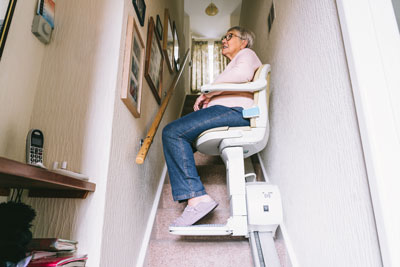 First, there are home modifications that make aging in place possible. Are your doorways wide enough for a walker or wheelchair? Is your bathroom safe, or does it need a walk-in shower and grab bars? If you have stairs, do you need an automatic stair lift?
AARP estimates that home modifications like these can cost $10,000 to $50,000. Without these upgrades, your home could become hazardous, increasing injury risk and incurring future costs.
The Soaring Cost of In-Home Health Care
 The logistics of home healthcare can be surprising for many people. According to the National Council on Aging, Medicare only covers certain aspects of home healthcare and only under certain conditions. As a result, you may end up having to pay out-of-pocket for full-time aides, physical therapy, or assistance with daily tasks like dressing and bathing when you age in place.
These expenses can accumulate rapidly. A recent The Wall Street Journal article cited studies showing that seniors who require 24/7 care at home can anticipate a median annual cost of about $290,000. This is more than double the yearly median cost of a private room in a nursing facility and four times that of a private room in an assisted living facility.
Even part-time assistance can add up fast. Think you’ll only need a few hours a day? According to a recent analysis by McKnight’s Senior Living, even minimal home healthcare can swiftly exceed the costs of a senior living community. Once you require outside assistance, the dream of aging in place can grow into a financial nightmare.
Don’t Forget About Maintenance and Hidden Costs
 Even if you’re healthy enough to live at home with minimal help, daily chores like mowing the lawn, cleaning the gutters or shoveling snow don’t go away.
Over time, you’ll likely need to hire someone to handle these tasks, which means more expenses. And let’s not forget about the inevitable home repairs that come with aging homes: appliance repairs, roofing maintenance, plumbing issues and the wear and tear that builds up.
Technology and Monitoring
New technologies, such as medical alert systems or smart-home devices, can enhance safety for seniors at home. However, these systems come with initial setup fees and monthly monitoring costs. Remote healthcare technologies can offer additional convenience but often require ongoing expenses.
Increased Utilities and Maintenance
Utility bills may rise as you spend more time at home. Maintenance tasks like yard work, gutter cleaning, or snow removal, which you or your partner may have handled in the past, will require professional services if you can no longer handle the physical demands of strenuous work.
Financial Planning for the Long Term
 Failing to budget for rising healthcare and home maintenance costs can jeopardize the feasibility of aging in place. Financial experts recommend that seniors and their families begin planning early, ensuring sufficient resources cover both expected and unexpected costs. Long-term care insurance and reverse mortgages may offer solutions but come with their own risks and complexities.
Support Through Aging in Place Programs
More and more, older adults are gaining peace of mind about aging in place through initiatives like the Friendship At Home membership program. Affiliated with Friendship Village of Dublin, Friendship At Home enables older adults to live independently in their homes while receiving the support they need as they age.
Proactive planning is a key aspect of these programs, helping individuals prepare for changing health needs and reducing the financial burden of long-term care. By addressing both immediate and future health requirements, aging-in-place programs provide peace of mind and cost-effective solutions, often alleviating the high costs of traditional care settings like nursing homes.
With flexible plans that cover everything from daily activities to advanced care, aging in place services ensure seniors can continue living with dignity, autonomy, and financial security.
Embrace Retirement on Your Terms with Friendship At Home
With Friendship At Home, you don’t have to choose between the comfort of your home and comprehensive retirement care. Our membership program combines expert planning, personalized care coordination, and extensive in-home care coverage, ensuring you stay in control of your independent lifestyle.
How does Friendship at home work?
- Plan Today, Live Confidently Tomorrow: Start your journey to a worry-free retirement by meeting with your dedicated care coordinator to craft a plan for living independently while ensuring you’re prepared for future health needs.
- Always Available: When the unexpected happens, your care coordinator is just a call away, 24/7, ready to arrange any needed assistance.
- Flexible and Predictable: With a simple one-time membership fee and predictable monthly payments, you’ll enjoy peace of mind, eliminating the unpredictability of traditional long-term care costs.
- Comprehensive Care: Unlike traditional insurance, our plan covers in-home services immediately, whether you need assistance with daily tasks, memory care or skilled nursing to recover from illness or injury.
Friendship At Home offers more than Medicare or long-term-care insurance. It helps you live life on your terms. There are no waiting periods or complicated limits to worry about, so you can focus on enjoying the life you’ve built.
Secure Your Future Now!
Don’t leave your future to chance! Join Friendship At Home and gain peace of mind knowing you have a solid plan for whatever life brings.
Call 614-881-4468 or click the link below to schedule your consultation today!
A Winning Recipe: Friendship Village of Dublin Culinary Team Claims Top Honor at Taste of New Albany

[Updated: August 24, 2026 | Published: August 7, 2026] Delicious.…