[Updated: February 12, 2026 | Published: February 5, 2026]
Want to make the most of your next chapter? Focus on the value of community!
As our lives flow through different seasons, the people around us help shape our stories. In retirement and beyond, these connections—our community—boost our overall well-being and quality of life.
Research shows that community becomes even more important as we move into retirement and beyond. It serves as a foundation for health, happiness, and longevity.
This was the focus of The Value of Community, a virtual educational event hosted by Syntero and Friendship Village of Dublin on January 20, 2026. The discussion combined expert insights with real-life experiences to show how meaningful connections support physical, emotional, cognitive, and spiritual well-being as we age.
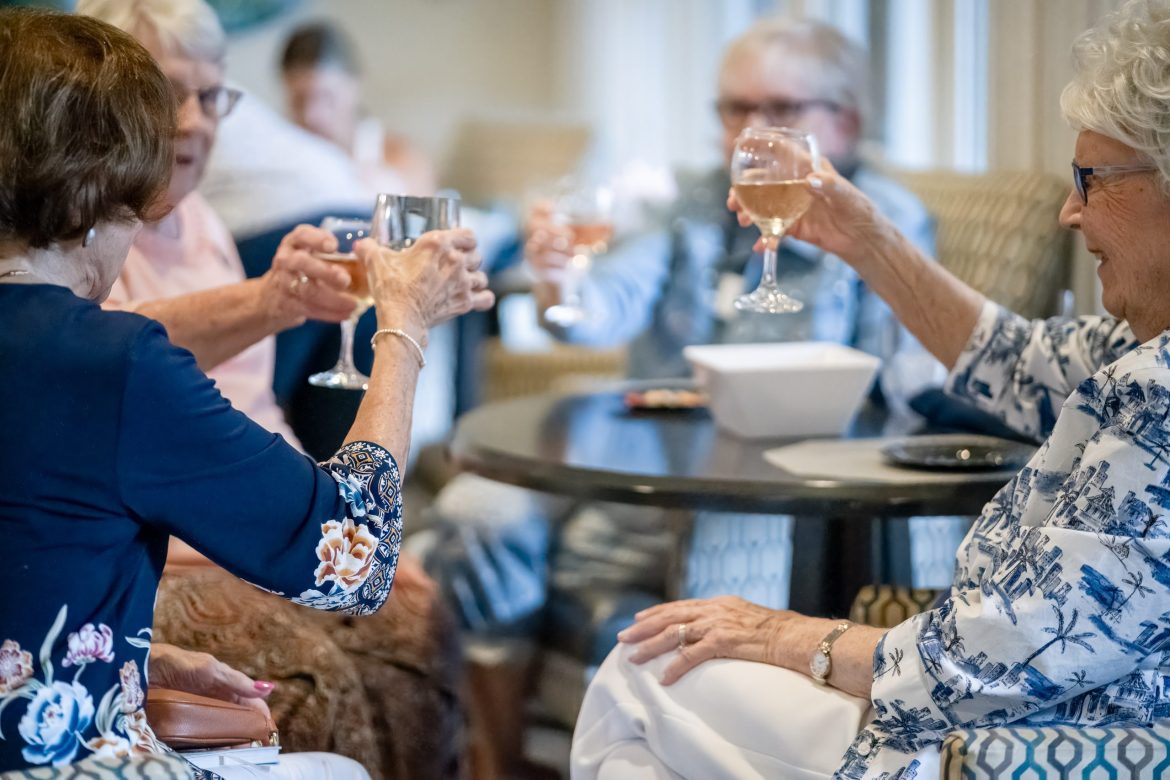
The Presentation: The Value of Community
 Friendship Village of Dublin partnered with Syntero, a respected provider of mental health and community-based services in central Ohio, to address a vital question: How does community influence health, happiness, and quality of life as we age?
Drawing on decades of research, the conversation addressed loneliness, social isolation, and the measurable impact of connection on wellness.
 Featured speaker Melissa Brundage, Outreach Coordinator at Syntero, studies emotional wellness, aging, and community education.
She led the research-based part of the presentation, sharing what science shows us about human connection and why it becomes more important later in life.
The presentation also included insights from Friendship Village of Dublin professionals who see the role of community play out every day:
 Ava Eisele, Health and Wellness Navigator, shared how our community intentionally supports emotional wellness and whole-person health through partnerships, programming, and Resident-driven initiatives.
 Jen Norder, Moving Coordinator, offered a practical look at how Friendship Village of Dublin builds community from the very first day, helping new Residents feel welcomed, connected, and at home.
Together, the speakers linked research to real-life experiences, sharing evidence and insights to help older adults and their families understand why community is the foundation of healthy aging.
The Value of Community – Full Virtual Presentation
If you want to hear from the speakers directly, watch the full presentation below.
The presentation summarizes key research findings and insights, highlighting what research reveals, why it matters, and how community support contributes to well-being in meaningful, measurable ways as we age.
What the Research Shows About Community and Aging
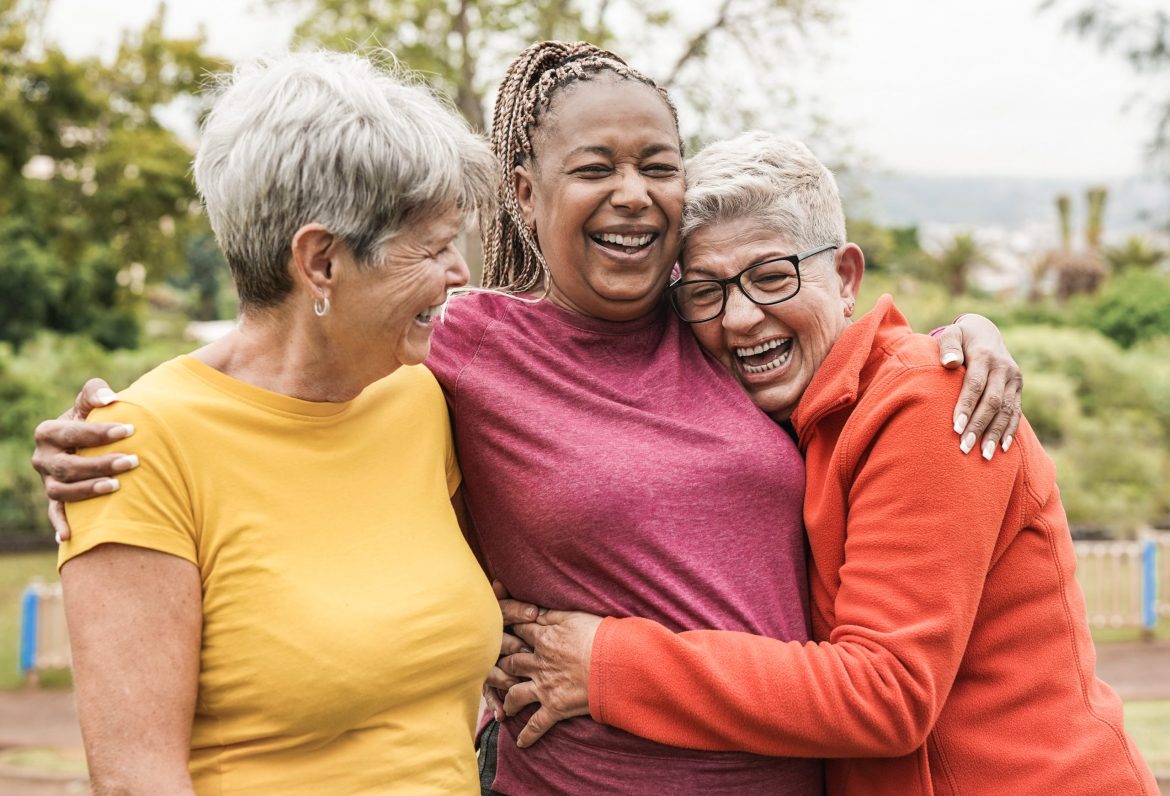
Melissa works extensively with older adults and community-based emotional wellness programs. Her overall message was that community is not a vague idea. It is a measurable factor of health.
She began with a question that often surprises many people: What is the single most important predictor of health and happiness over a lifetime?
According to findings from the Harvard Study of Adult Development, the longest-running study of adult life ever conducted, the answer is not wealth, career success, or genetics. It is the quality of our relationships. Over 85 years of data show that strong social connections are the most reliable predictor of long-term health, happiness, and life satisfaction.
This landmark research, now led by psychiatrist Dr. Robert Waldinger, reinforces a simple truth: people thrive when they feel connected.
Loneliness and Social Isolation Are Not the Same
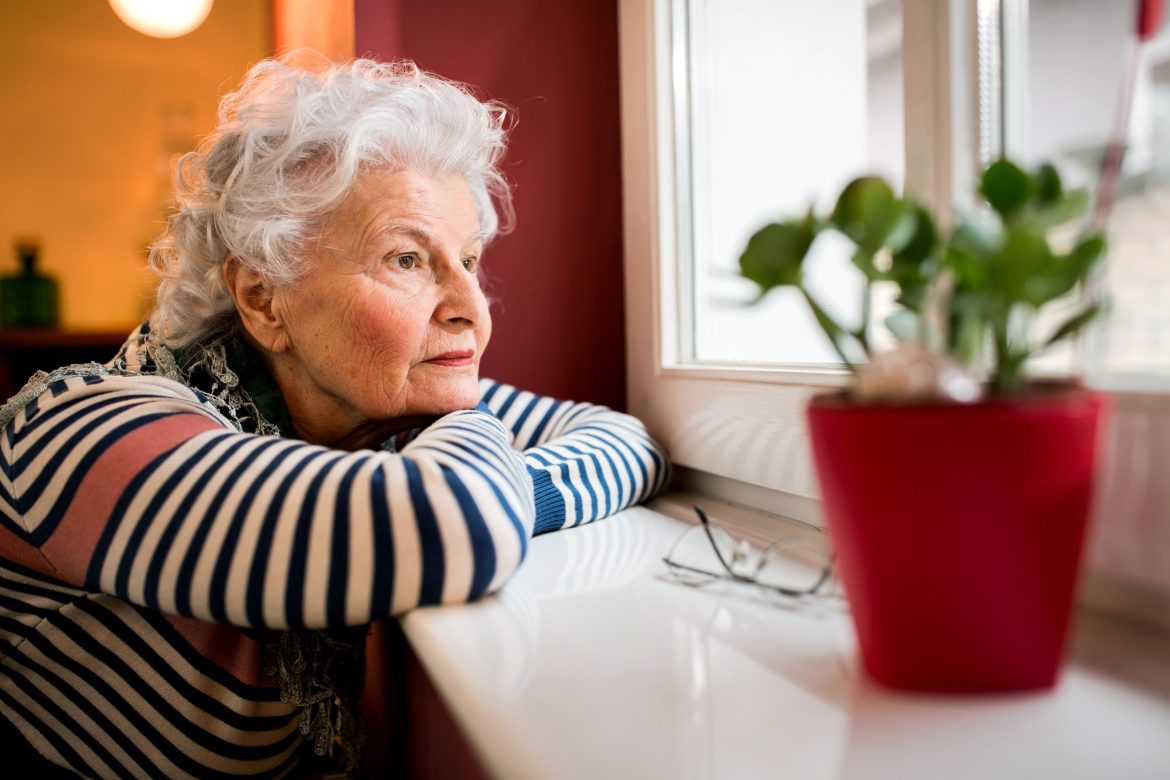 Next, Melissa clarified an important distinction that often gets overlooked.
- Loneliness is the unpleasant feeling of being alone or disconnected.
- Social isolation means having few social contacts or limited regular interaction.
A person can experience one without the other. Some people live alone and feel content. Others sit in crowded rooms and still feel profoundly lonely.
Melissa also described two forms of loneliness:
-
Emotional loneliness happens when someone lacks at least one trusted person to share their inner thoughts.
-
Social loneliness is characterized by feelings of emptiness or rejection due to limited social interaction.
When emotional and social loneliness combine, the health impacts can be severe.
A Growing Health Crisis Among Older Adults
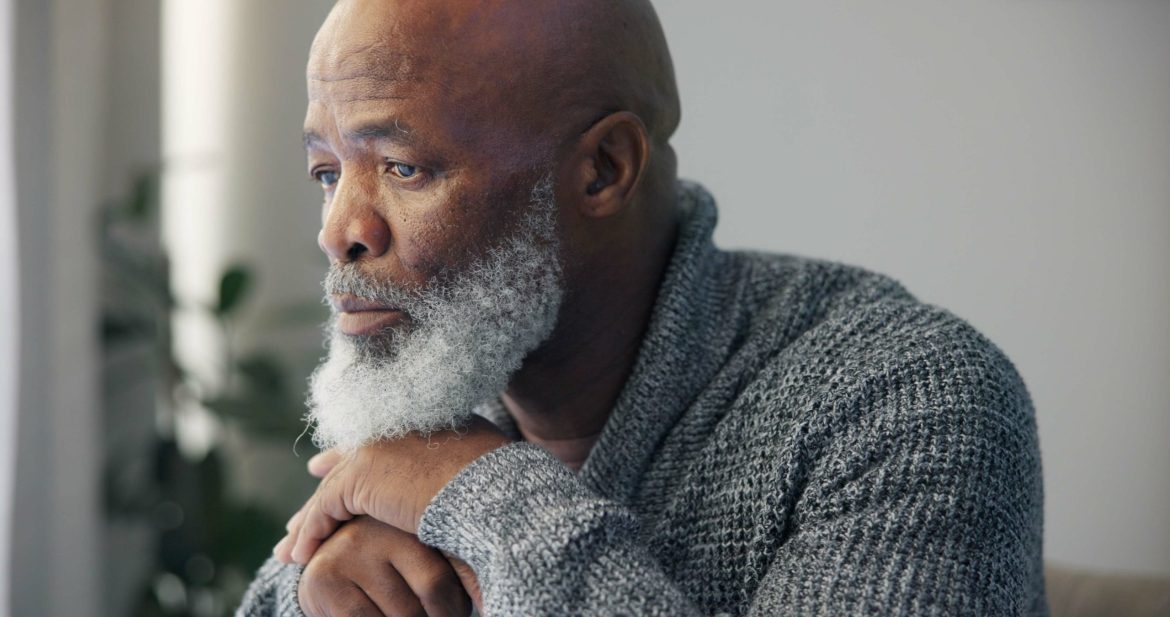 Loneliness has become a recognized public health issue. The World Health Organization reports that roughly one in six adults experiences loneliness.
Among Americans over 50, that number rises to nearly one in three, according to a University of Michigan study.
Melissa explained that this increase is often driven by life transitions common in later years, including retirement, reduced mobility, health changes, loss of loved ones, and shifting social roles. Over time, isolation and declining health can reinforce each other, creating a cycle that becomes harder to break.
Physical Health: The Body Feels Isolation

The effects of social isolation go far beyond emotional discomfort. The U.S. Surgeon General’s Advisory on Loneliness and Social Isolation ranks social connection alongside diet and exercise as a crucial factor in longevity and disease prevention.
Chronic loneliness is linked to higher blood pressure, increased inflammation, a weakened immune response, sleep problems, and a greater risk of heart disease and stroke. The Surgeon General’s report compares the health effects of long-term loneliness to smoking 15 cigarettes a day.
On the other hand, people with strong social support tend to recover faster from illness and surgery. Medical professionals increasingly recognize emotional support as a legitimate contributor to physical healing.
Cognitive Health and Dementia Risk
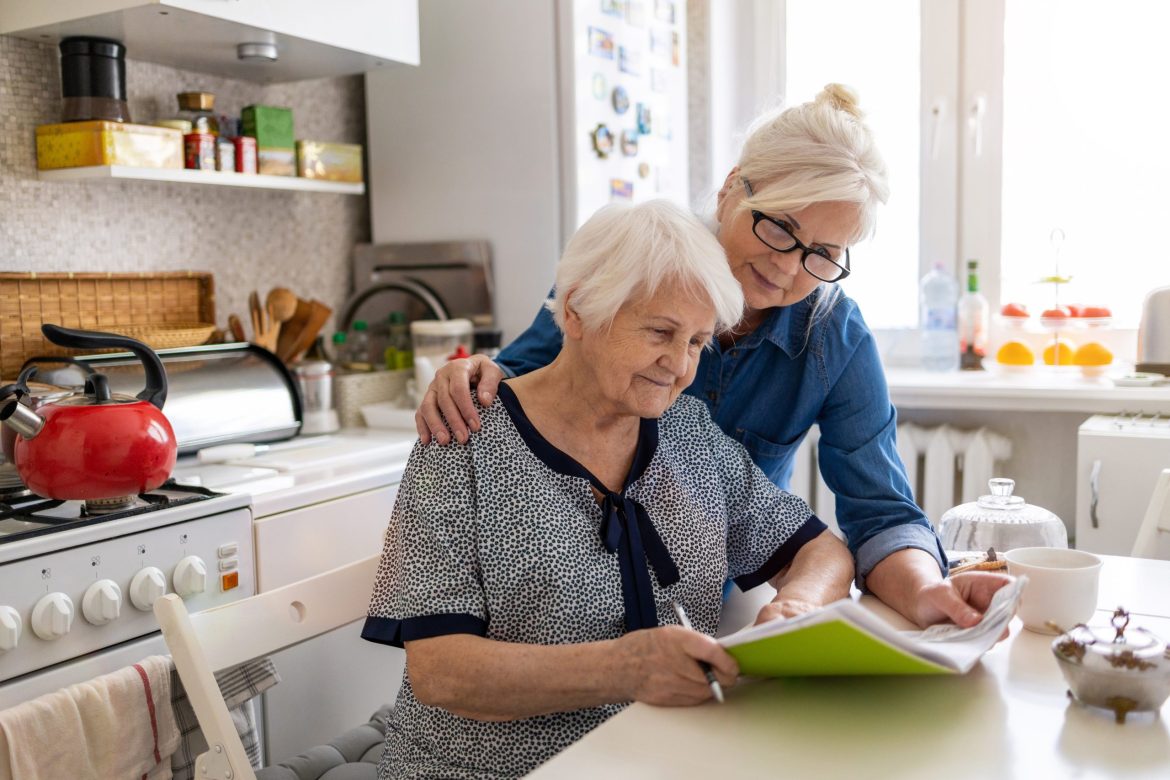 Community also plays a vital role in maintaining brain health.
Melissa noted that social isolation is associated with a 50 percent increased risk of dementia, while high levels of social engagement can slow cognitive decline by as much as 70 percent. Conversation, shared activities, and regular interaction challenge the brain through listening, processing, memory, and emotional regulation.
In short, connection exercises the brain in ways that solitary activities cannot.
Emotional and Mental Well-Being
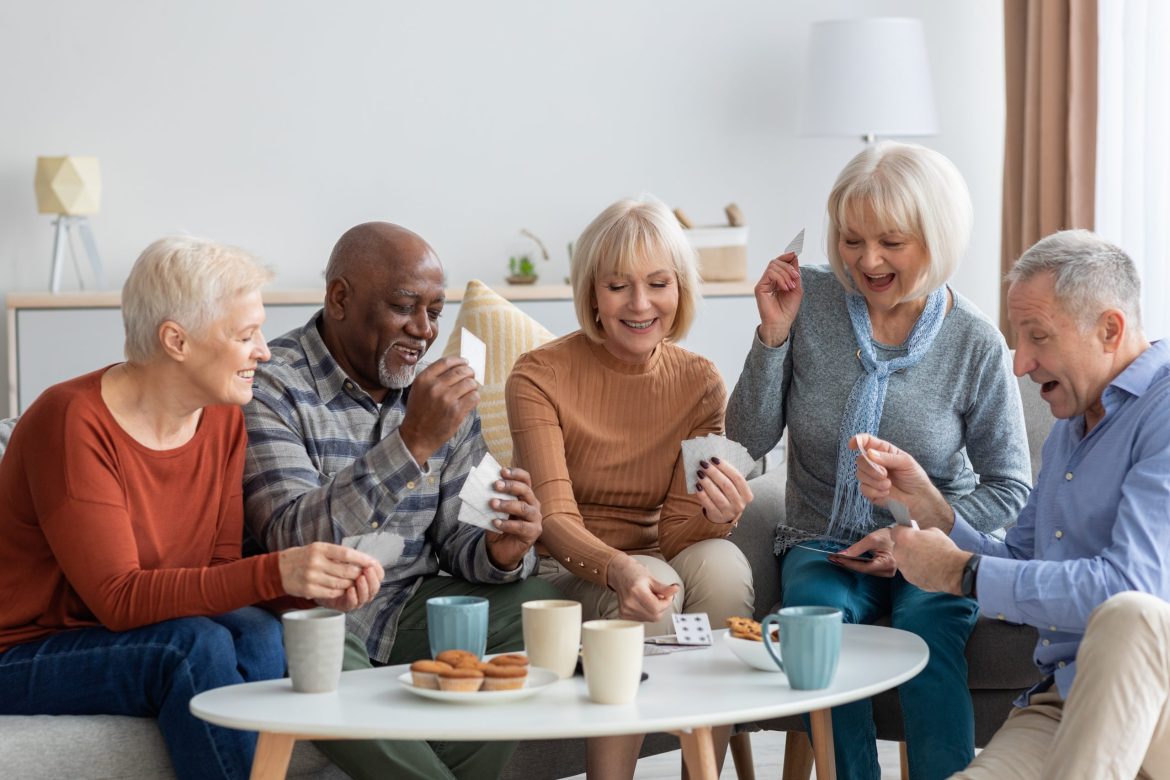
The mental health consequences of loneliness are significant and well-documented.
Compared to their socially connected peers, lonely adults are nearly twice as likely to experience depression, more likely to report anxiety, and significantly more likely to have suicidal thoughts. The highest suicide rate in the United States occurs among men over age 75, a statistic that emphasizes the importance of early and ongoing social support.
Melissa also discussed what clinicians sometimes call a “burden mentality,” where older adults start to feel they are a burden due to physical or functional changes. This perception, even if it is not accurate, can increase feelings of isolation and emotional distress.
Strong relationships help mitigate these risks by offering belonging, perspective, and practical support.
Spiritual Health, Purpose, and Meaning
Melissa emphasized that community connections also support spiritual well-being. Many people express spirituality, often through relationships, service, shared values, and purpose.
She cited research showing that regular participation in spiritual communities is associated with lower rates of depression and suicide, reinforcing the link between connection and resilience.
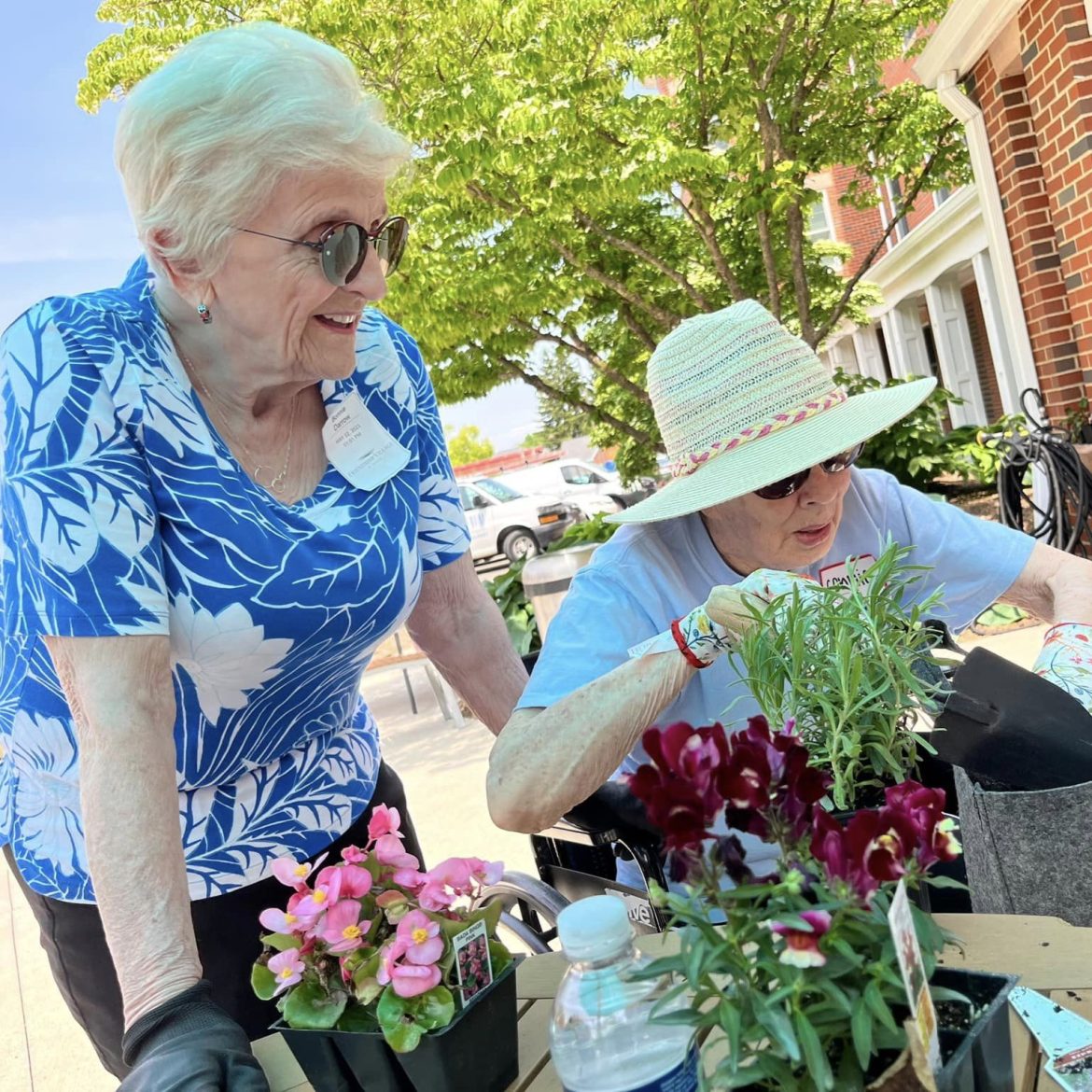
Volunteer work, mentoring, and participation in faith or service-oriented communities foster meaning and belonging.
Building Connection By Showing Up
Melissa closed her presentation with a practical reminder: Community does not require extraordinary effort. It begins with showing up.
She encouraged older adults to seek connection across various areas of life, including intellectual pursuits, physical activity, service, creativity, and spirituality. Book clubs, exercise classes, volunteering, and shared meals all provide opportunities for closeness, which research consistently shows is one of the strongest predictors of friendship.
As she noted, connection grows not from perfection, but from participation.
Community in Practice at Friendship Village of Dublin
At Friendship Village of Dublin, we turn Melissa’s theories into action through our daily routines, thoughtful program planning, and the support Residents receive at every stage of aging.
Supporting Emotional Wellness and the Whole Person
For Health and Wellness Navigator Ava Eisele, community begins with an understanding that aging is not just a physical process. It is emotional, social, and deeply personal.
 “As we age, life throws things at us, and it can be difficult to navigate,” Ava said. “My role is really to come alongside Residents and their families to talk through options and supports, so people can age gracefully, maintain independence, and have the best quality of life possible.”
A licensed social worker, Ava collaborates with Residents and their support networks to prioritize emotional wellness in their lives. She explained that Friendship Village’s partnership with Syntero resulted from a conscious decision to enhance that aspect of care.
“You can be physically well, but if you are emotionally struggling, that affects everything,” she said. “Emotional wellness touches every other dimension of wellness.”
Through this partnership, Residents have access to monthly educational programs led by Melissa Brundage, as well as small-group offerings, including the Wisdom Circle and upcoming mindfulness groups. These programs were not imposed from the top down. They were requested by the Residents themselves.
“Our Residents have a lifetime of experience and insight,” Ava said. “They tell us what they need, and our job is to listen and help make it happen.”
Creating Belonging From the Very First Day
While Ava focuses on emotional wellness, Moving Coordinator Jen Norder concentrates on one of the most vulnerable moments in later life: transition.
Norder works with new Residents from the moment they decide to make Friendship Village their home. She describes her role simply and memorably.
“I call myself the professional hand holder,” she said. “My goal is to make sure people do not feel like they are just moving into a new set of four walls. They are moving into a community.”
She helps Residents prepare for the move by connecting them with downsizing experts, real estate agents, moving companies, and other resources.
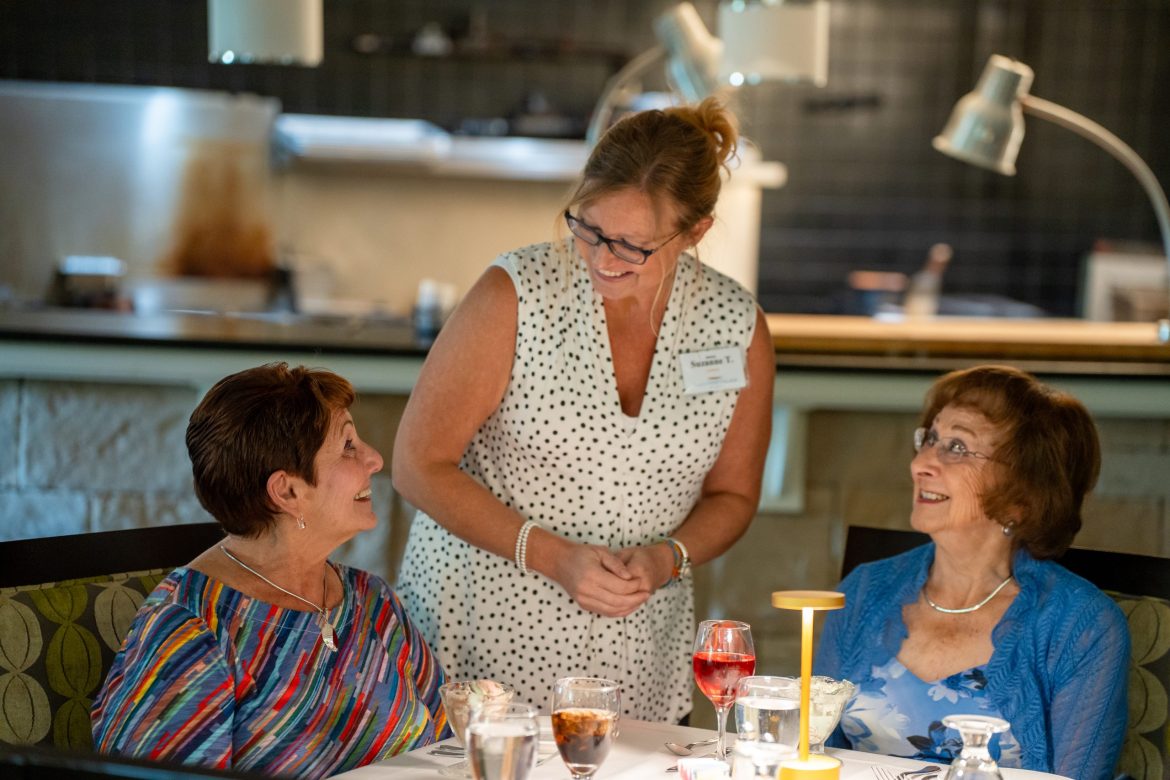
Then, she pairs each new Resident with a hospitality buddy, another Resident who understands exactly what the transition feels like. That buddy helps with first meals, introduces neighbors, and encourages participation in activities that match personal interests.
“My goal is not to let someone move in and sit alone in their apartment,” Jen said. “Your apartment is your home, but your world is the community.”
That philosophy extends to the wide range of committees, clubs, and leadership opportunities available to residents. From culinary and arts committees to wellness programs, faith-based gatherings, and informal social groups, Friendship Village of Dublin encourages Residents to engage in ways that feel authentic to them.
“If you do not see something that excites you, we want to hear about it,” Jen said. “Many of our programs start because Residents speak up and say, ‘This matters to us.’”
Community as Culture, Not Programming
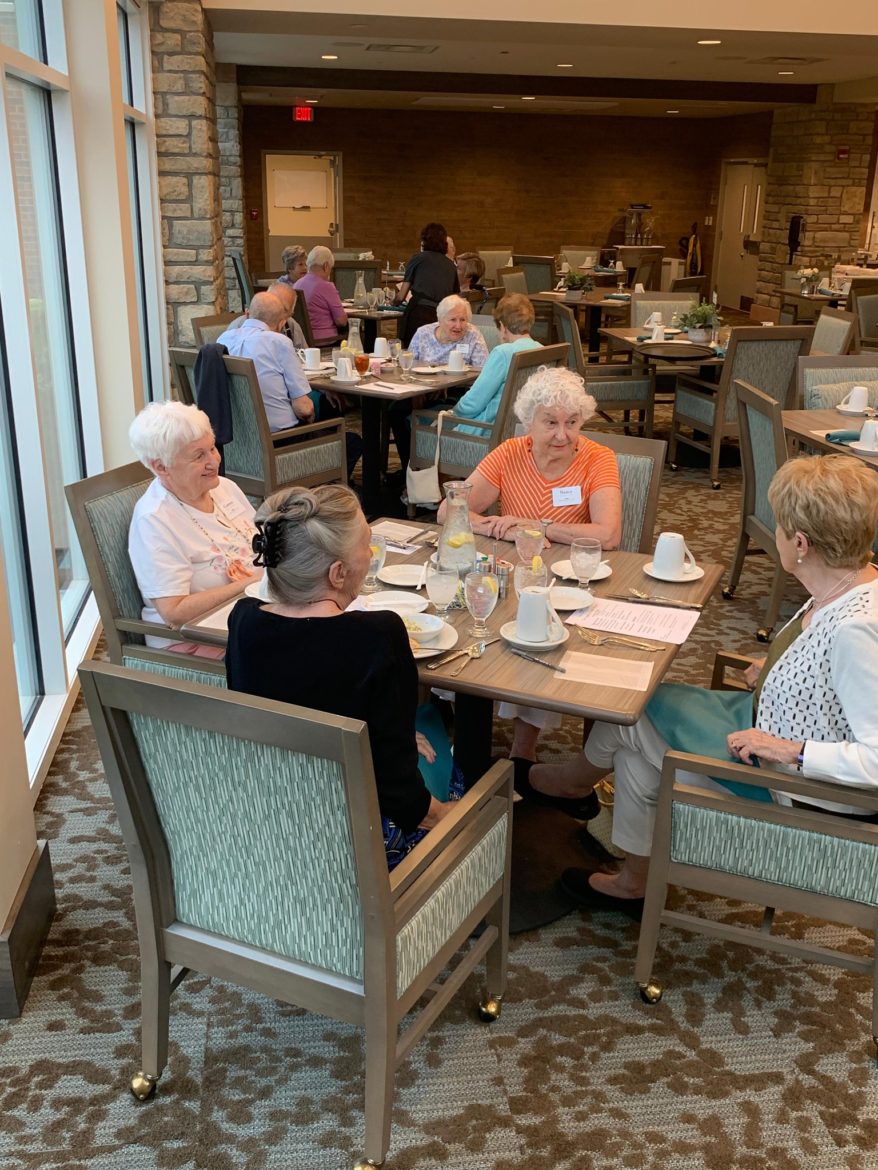
One of the most telling observations during the presentation came from Melissa herself, who visits Friendship Village regularly.
She noted that Residents wear name tags, but not because people forget one another. They want newcomers to feel welcomed and known from the moment they walk in.
“That spoke volumes about the culture,” Melissa said. “People are intentional about connection.”
That intention shows up in everyday details, from shared meals and creative spaces to art galleries, wellness programs, and resident-led initiatives. It reflects a community designed to support meaning, belonging, and purpose.
Melissa, Ava, and Jen made clear that community does not happen by accident. It is built through listening, structure, and a deep commitment to helping people feel seen and supported.
Living the Research Through The Village Way
 The research is clear. Strong social connections support longer lives, better health, sharper minds, and greater emotional resilience. The experiences shared by Melissa Brundage, Ava Eisele, and Jen Norder show how those findings translate into daily life.
At Friendship Village of Dublin, this approach is intentional and deeply embedded in the culture. It is known as The Village Way, a philosophy grounded in nine dimensions of wellness that recognizes aging as a whole-person journey.
Those dimensions include physical, emotional, social, intellectual, spiritual, vocational, environmental, financial, and cultural wellness. Together, they create a framework that supports not just longevity, but quality of life. Community is woven through every one of them.
 It shows up in meaningful conversations and shared meals. In lifelong learning and creative expression. In emotional support during times of transition. In opportunities to lead, contribute, and continue growing. It shows up in small, human moments that make people feel known and valued.
For older adults and their families, that sense of belonging matters. It eases transitions. It reduces isolation. It creates continuity at a stage of life often marked by change.
At Friendship Village of Dublin, community is not an amenity. It is the foundation.
Experience The Value of Community for Yourself

If you are beginning to think about the future, or helping a parent explore next steps, the best way to understand the value of community is to experience it firsthand.
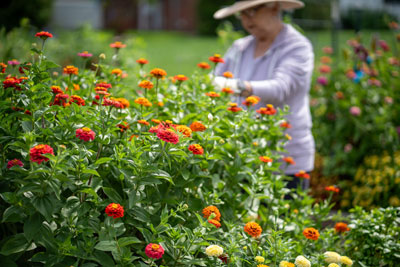 We invite you to schedule a visit to see how The Village Way comes to life at Friendship Village of Dublin. Walk the campus. Experience our manicured walkways, gardens, and landscapes. Meet the people. Ask questions. Learn how our community supports connection, wellness, and purpose every day.
Because while research can explain the power of community, experiencing it makes all the difference.
Call 614-734-2105 or click below to schedule your personal tour today.
A Winning Recipe: Friendship Village of Dublin Culinary Team Claims Top Honor at Taste of New Albany

[Updated: August 24, 2026 | Published: August 7, 2026] Delicious.…