[Updated: June 23, 2026 | Published: June 23, 2026]
Nearly 22 million older Americans fit the definition of solo agers, representing about 28% of the older adult population. As families become more geographically dispersed and Americans live longer than ever before, more people are navigating later life with less traditional family support than previous generations.
To explore this topic more deeply, Friendship Village of Dublin welcomed Dr. Sara Zeff Geber, author of Essential Retirement Planning for Solo Agers. She coined and popularized the term “solo aging.”
During her May 2026 presentation, Geber challenged a common assumption: solo aging is less about whether someone has children or a spouse and more about whether reliable support will be available when it’s needed.
You’ll find a link to her recorded presentation at the end of this post.
What is Solo Aging? Understanding the Growing Trend of Aging Alone
Solo aging refers to growing older without a spouse, partner, nearby adult children, or other family members who can help during a health crisis or major life transition.
That doesn’t mean someone is alone.
Many solo agers have supportive social networks but may not have an immediate caregiver or decision-maker if they need help in the future.
Geber’s original definition is direct: “Solo Agers are the segment of society that either does not have adult children or is single and expects to be on their own as they grow older.”
She has since broadened that framing: “My definition of a solo ager is someone who does not have family nearby who are able and willing to intervene in a crisis and who will be available to provide support as the solo ager requires it.”
This second definition shifts the focus to family availability, prompting many to reconsider whether they fit the category of solo ager.
Are You a Solo Ager?

With the context above in mind, it’s helpful to consider whether you fit the definition.
You may be a solo ager if:
- You live alone.
- You are widowed, divorced, or single.
- You do not have children.
- Your children or close family members live far away.
- You would struggle to identify who could help during a medical emergency.
- You don’t currently have someone designated to make healthcare decisions on your behalf if needed.
Solo Aging Can Happen Faster Than You Might Think
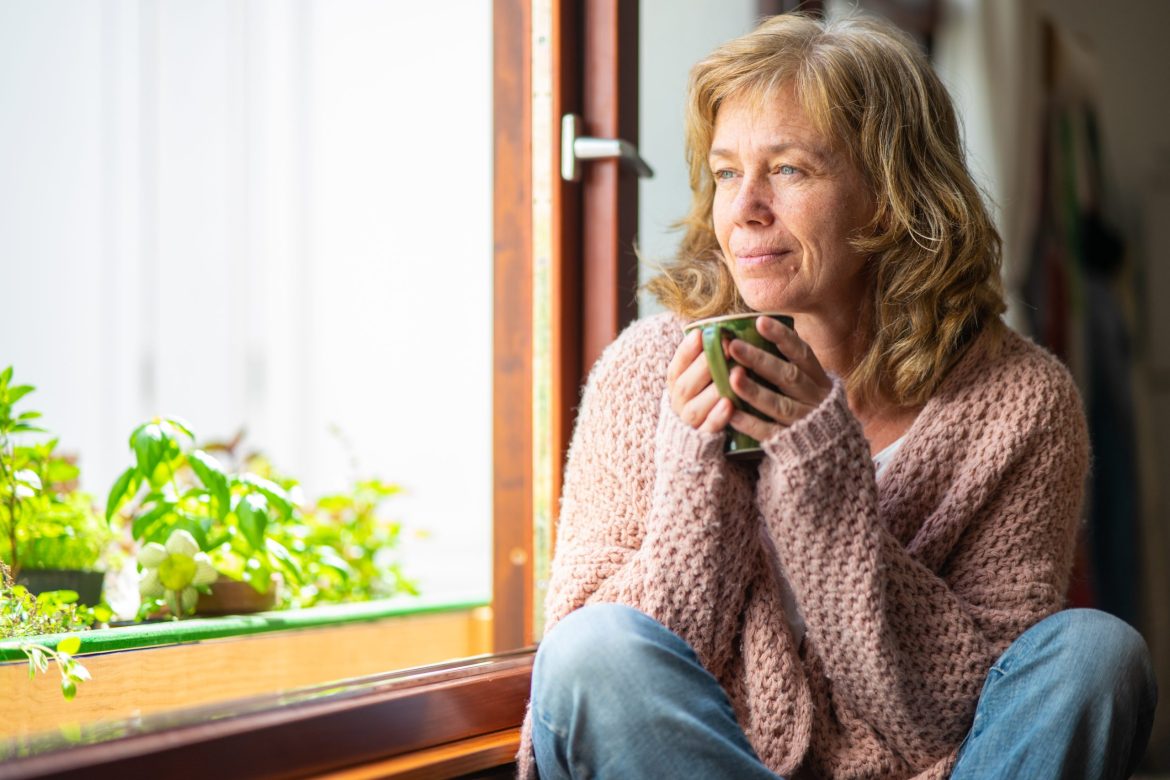
Solo aging is not a fixed category. Circumstances can change quickly.
Life circumstances can shift almost overnight, leaving an older adult without local support. For example, an adult child might move three states away or to another country. Or a spouse might develop a serious illness or cognitive impairment.
Even married couples can face solo-aging challenges. When one partner experiences significant health changes, the other may need to manage major decisions and responsibilities on their own.
That’s why experts increasingly view solo aging as a question of support systems rather than a matter of relationship status.
Why Solo Aging Matters
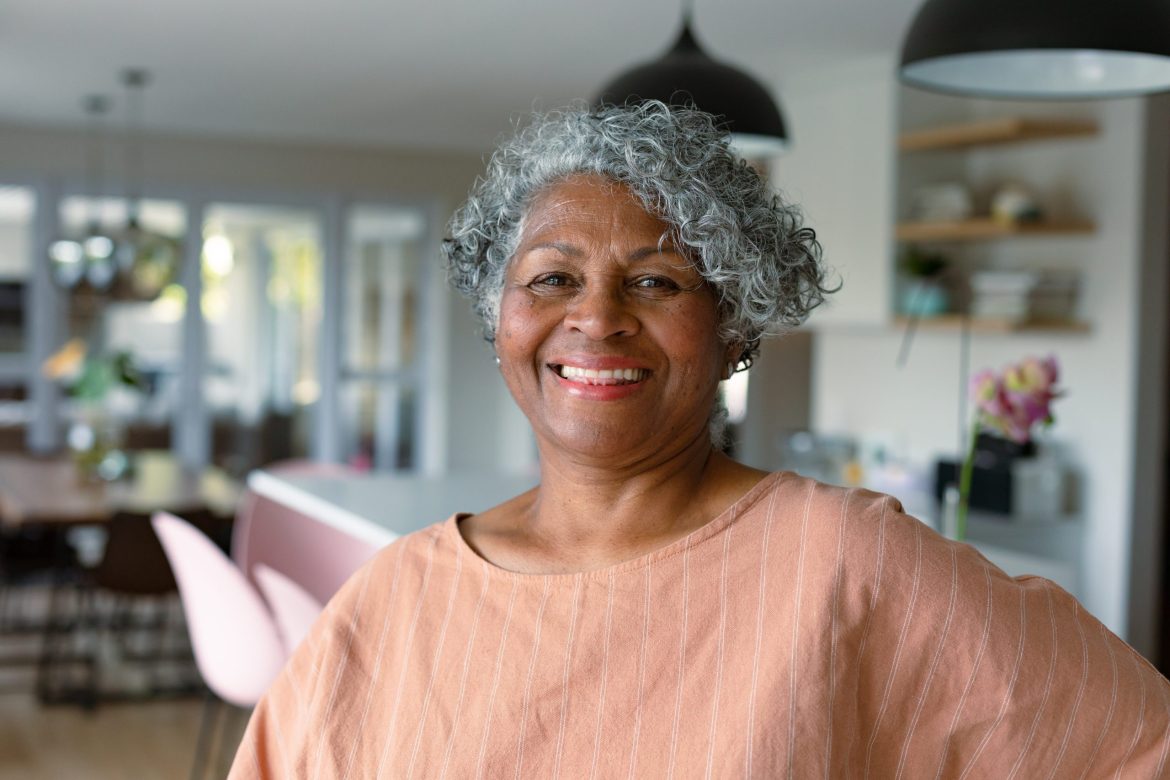
Solo aging makes retirement and health planning especially important, as everyday challenges may require more preparation.
Without a nearby circle of support, older adults may need to plan more carefully for transportation, healthcare decisions, home maintenance, financial management, and recovery after an illness or hospitalization.
Many people, research suggests, have not fully prepared. A 2024 Mather Institute report, Flying Solo, found that only 16% of solo agers had identified a future caregiver. A 2022 study published by the National Institutes of Health found that only 55% of solo agers had advance directives in place.
Without advance directives, important healthcare and legal decisions may be made by individuals who are unfamiliar with a person’s wishes and preferences.
Awareness is often the first step toward building a stronger plan. Understanding your situation today can help you make informed decisions about tomorrow.
Planning for a Successful Future

Even people who don’t identify as solo agers can benefit from asking important questions:
- Who would be your emergency contact if something happened to you?
- Who could make healthcare decisions on your behalf if necessary?
- Is your current home likely to meet your needs as you age?
- Do you have a strong local support network?
- Have you discussed your wishes with the people you trust most?
Few people enjoy talking about future health problems or loss of independence. Yet having those discussions early often gives everyone involved peace of mind.
Solo Doesn’t Mean Alone
 The term “solo aging” often creates the wrong impression.
Many people hear the phrase and assume it means growing older completely alone. In reality, successful solo agers build networks of friends, neighbors, professionals, and community resources that help them maintain independence and quality of life. They think ahead about future needs and take steps to prepare before a crisis occurs.
As Geber noted during her Friendship Village presentation, the goal is not to focus on what support may be missing. Instead, it’s about creating a plan that allows you to live confidently, maintain close relationships, and continue enjoying the lifestyle you want for years to come. You can watch a recording of her presentation below.
Support systems change. Children move away. Friends relocate. Health circumstances shift. Taking stock of your support network today and making a plan for tomorrow can help you maintain independence and confidence no matter what the future brings.
If you have questions about solo aging and how Friendship Village of Dublin supports people at every stage of the planning process, we’d welcome the conversation.
Call 614-734-2105 to speak with a member of our team or schedule a personal visit using the link below.
Watch Geber’s Presentation on Solo Aging
Related Reading
Friendship Village has explored solo aging in depth across several earlier posts. If this topic resonates with you, these may be useful next steps.
- Three Ways Solo Agers Benefit from Senior Living
- How Solo Agers Can Thrive in Senior Living Communities
- The Importance of Retirement Planning for Solo Agers
A Winning Recipe: Friendship Village of Dublin Culinary Team Claims Top Honor at Taste of New Albany

[Updated: August 24, 2026 | Published: August 7, 2026] Delicious.…